
Sow Hardy Annuals
It's easy to sow hardy annuals, and totally worth including them in your gardening scheme because they are some of the hardest-working flowers in the garden. Grown frequently as cut flowers, they can be sown during fall or late winter/early spring and will provide you with plenty of colours, shapes, and textures from late spring and throughout summer. If that's not enough to convince you to grow some, here are a few more reasons and how to sow and grow them.
Why Sow Hardy Annuals
Apart from the reasons above, there are definitely a few more. Hardy annuals will be the first annuals to flower in the spring if you have sown them the previous fall. Plus, it's so enjoyable getting some seeds sown in the colder months - it brings so much hope for spring. They need very little care and will flower for many weeks from just one single sowing session. Hardy annuals will also grow really well in colder temperatures (unlike tender annuals such as Cosmos and Zinnias).
When to Sow Hardy Annuals
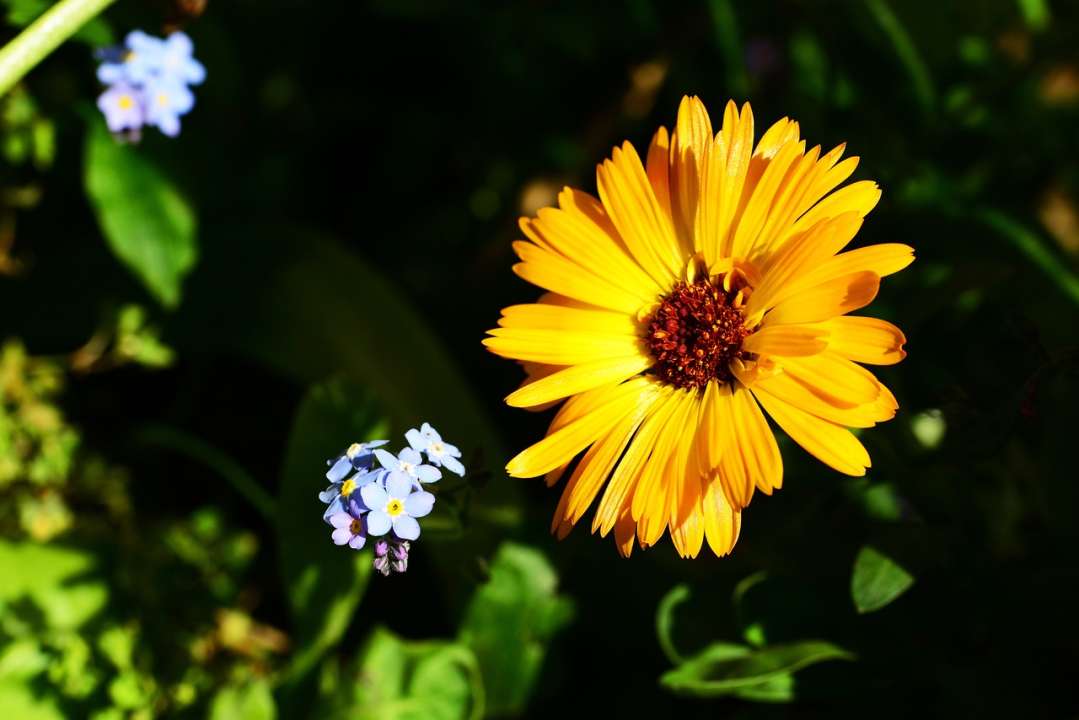
It's all about timing and choosing the varieties you would like to grow. We suggest that you always read the instructions on the seed packets, but as a general guide, you will sow them during fall and again in early spring. This will help you have more flowers in your garden for an extended period. Many can be sown directly where they will grow, for example, Calendula (pot marigold) and Centaurea (cornflower) - although if there is a harsh winter, they may need protection. You may sow them along with others, such as Lathyrus odoratus (sweet peas) and Linaria morrocana (toadflax), especially if you have a weedy patch, into trays undercover.
Recommended Varieties for Sowing Annuals
With so many to choose from, it really is a personal choice depending on your soil and aspect. However, we think these perform well and can provide you with plenty of colour from spring:
-
Ammi majus (bishop's weed) is a white lacey flowered plant with foliage similar to ferns. It grows to a height of 30-90cm.
-
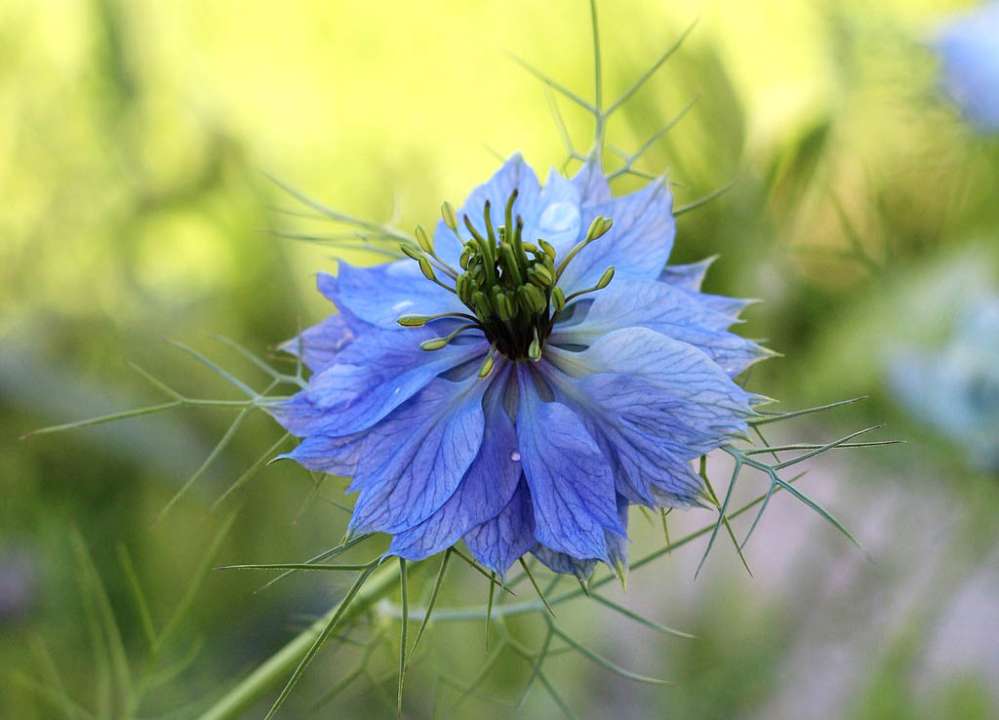
Nigella damascena (love-in-a-mist) has saucer-shaped light blue flowers with pretty fern-like foliage surrounding it. The seedheads also look spectacular in dried displays. Nigella grows to a height of 30-45cm.
-
Cerinthe major 'Purpurascens' has deep purple bell-shaped flowers which are in a cluster of dark bracts and green/blue foliage, growing to a height of 60cm.
Sow Hardy Annuals for Cut Flowers
Growing cut flowers is very satisfying. Just being able to fill your vases at home with homegrown flowers is wonderful, plus you can gift a bouquet for special occasions as well. Many will continue growing the more you cut them, and remember to save some seeds for the following year.
Enjoy choosing from our extensive range of seeds when you visit us in store.
Have more questions? Visit your local Buckerfield's and we'll be happy to help!


